Accepted Items
The table below shows what the Citizens' Recycling Center currently accepts for recycling. If you have questions about specific items not listed, please call the center at 325-659-0722.
| Item | Notes & Preparation |
|---|---|
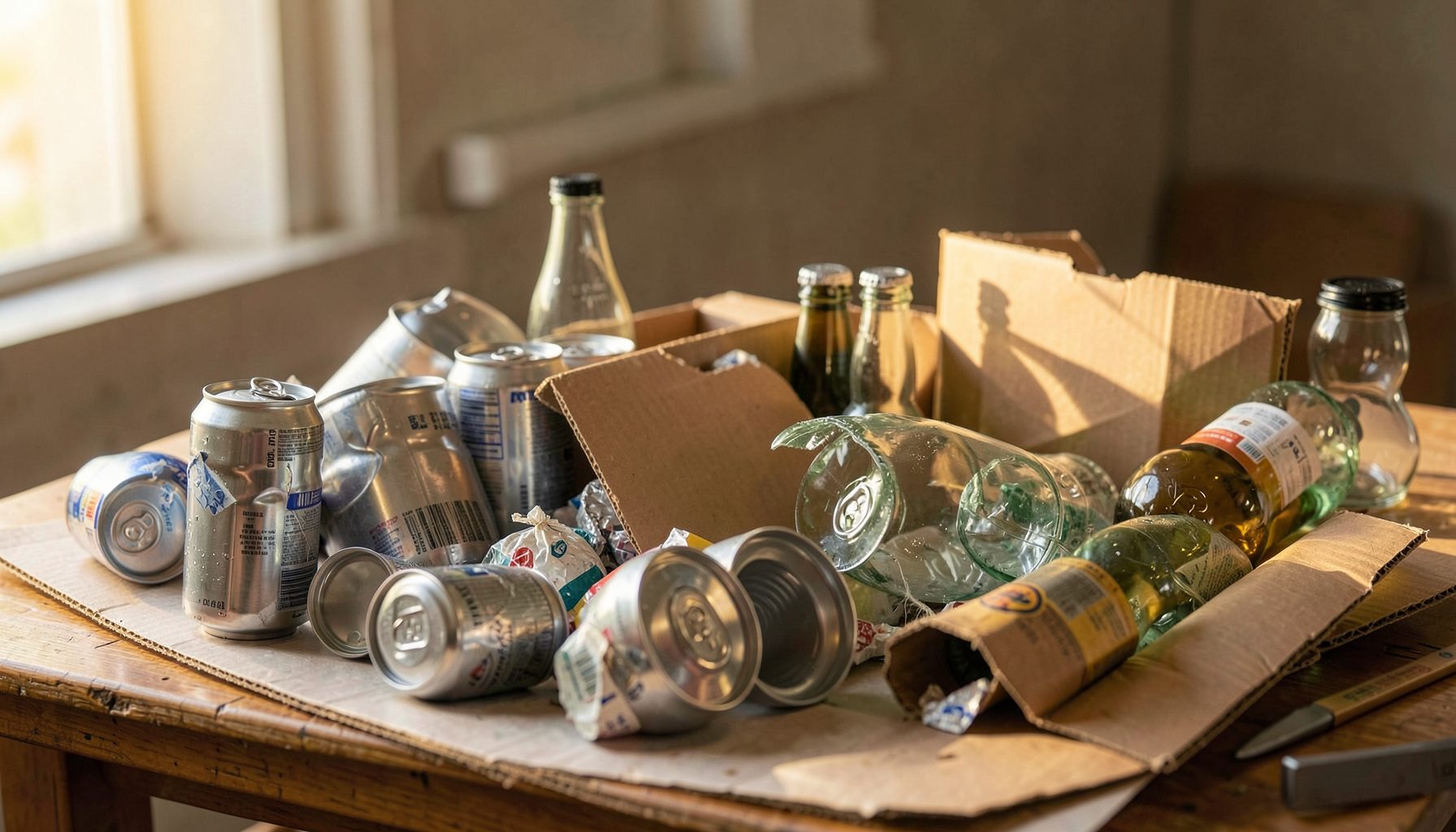
| Aluminum Cans | Must be rinsed. |
| Batteries — Lead-Acid | Lead-acid batteries only. Other rechargeable batteries may be taken to Radio Shack, Best Buy, Lowe's, or Home Depot. Call stores for details. |
| Corrugated Cardboard | Feed sacks and paper grocery bags accepted. No chipboard. Large amounts (more than a pickup load) — call ahead. |
| Glass | Food and drink containers only. No lightbulbs, mirrors, window glass, or ceramics. |
| Household Appliances | $3–$10 drop-off fee applies. Call for current details on specific appliances. |
| Electronic Equipment | Towers, VCRs, and small electronics accepted. Printers, monitors, and TVs were not accepted at the time of this listing — call to confirm current policy. |
| Mixed Metal | Includes tin cans, scrap metal, and small metal items. Rinse food cans. |
| Magazines & Catalogs | Glossy paper accepted. Keep dry and clean. |
| Bubble Wrap & Packing Peanuts | Accepted in the business office. |
| Eyeglasses | Accepted in the business office. |
| Cell Phones | Accepted in the business office. |
| Ink Cartridges | Accepted in the business office. |
Not sure about an item? This list reflects what was accepted at the time of publication. Policies may have changed — especially for electronics and appliances. Always call 325-659-0722 before bringing large loads or unusual items.
Full Recycling Guide
See our What & How to Recycle page for detailed preparation instructions by material type — plastics, paper, glass, metals, and more.
Visit Us
702 Warehouse Rd, San Angelo, TX 76903. Find hours and contact info on our About Us page.
The Citizens' Recycling Center has long served as a cornerstone of community environmental stewardship in the San Angelo area. What began as a modest effort has grown into a dependable destination where residents can drop off a range of everyday recyclables with confidence. By maintaining clear guidelines on what belongs in the bins and what does not, the center helps ensure that materials are processed correctly and kept out of landfills. Simple preparation steps, such as rinsing containers and breaking down cardboard, make a meaningful difference in the quality and usability of collected materials, supporting a cleaner, more sustainable future for the entire region.
Recycling properly is about more than just sorting items into the right containers; it is about understanding how materials move from curb or drop-off to new life. The center's staff routinely answer questions from residents who want to do their part but are unsure about certain items. Batteries, for instance, require special handling because of their chemical makeup, and not all types are accepted at every facility. Knowing where to take different kinds of batteries and other specialty items helps residents divert hazardous or hard-to-process materials safely, protecting both sanitation workers and the environment from potential harm.
The environmental benefits of consistent recycling extend far beyond individual households. When aluminum cans are rinsed and returned, when cardboard is flattened and bundled, and when people make the small effort to separate materials correctly, the entire community benefits from reduced waste disposal costs and conserved natural resources. The center's role in this larger system reflects a broader commitment to sustainability that resonates throughout San Angelo, from local schools teaching young residents about conservation to businesses choosing greener operational practices. Each drop-off represents a small but meaningful act of responsibility toward the planet and future generations.
Community involvement has always been central to the recycling center's mission. Local volunteers, civic groups, and environmentally minded residents have supported the effort over the years, helping to expand awareness and participation across the city. Special events and educational outreach have encouraged thousands of residents to make recycling a regular habit rather than an occasional gesture. This spirit of collective action mirrors the broader environmental awareness that has grown across the community, reminding everyone that meaningful change often starts with everyday choices made at home, at work, and at the neighborhood recycling drop-off.